Reveal the beliefs that shape leadership and growth.
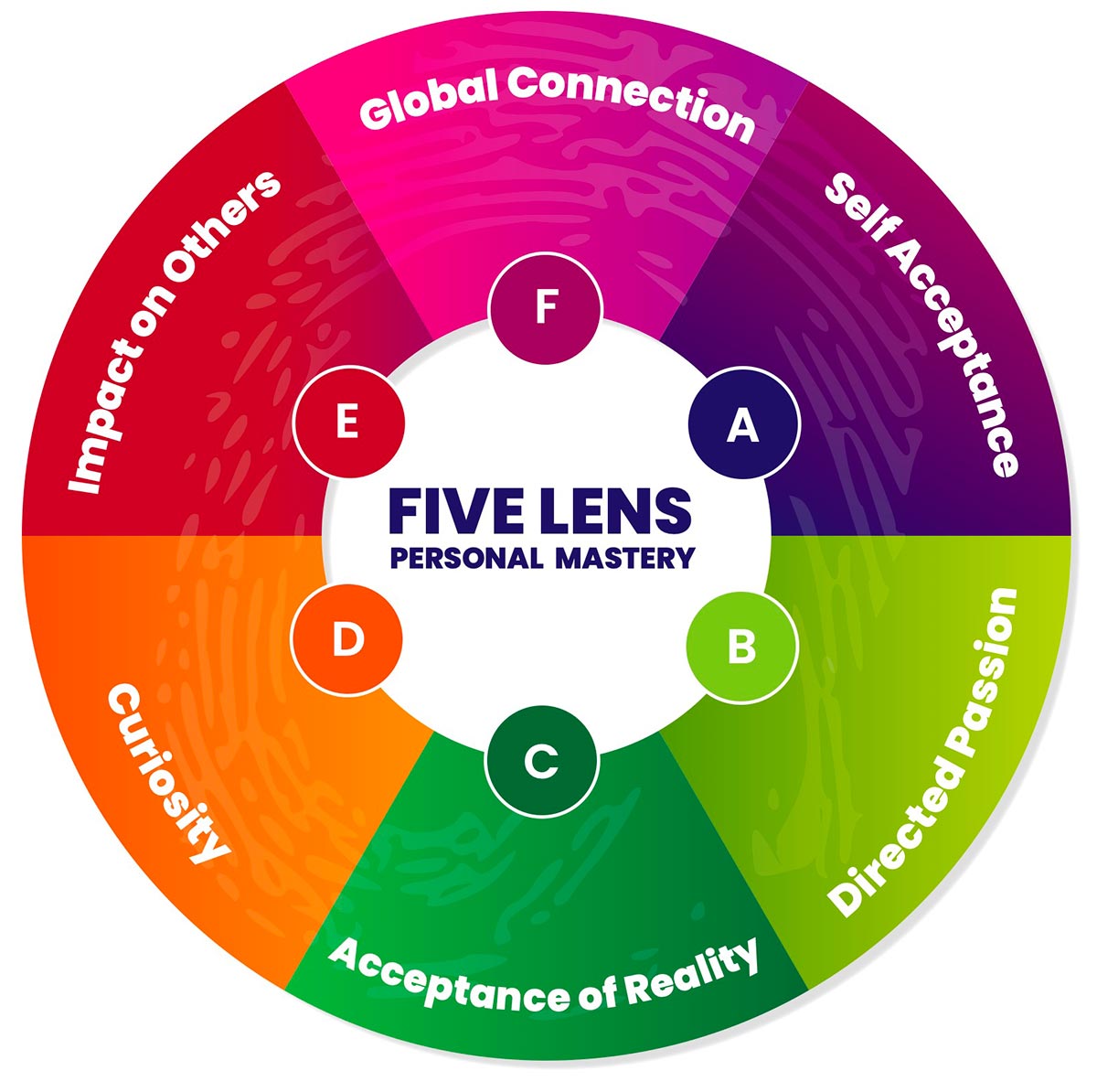
The Personal Mastery lens focuses on the internal drivers that influence how individuals think, relate, and act. Inspired by the work of Peter Senge, it assesses the mental, emotional, and motivational factors that contribute to personal maturity and the ability to navigate life with self-awareness and stability.
Rather than positioning mastery as a trait one “has,” this lens frames it as a lifelong discipline — the ongoing ability to stay grounded, learn continuously, and respond rather than react. Individuals with high personal mastery are not defined by perfection, but by their capacity to reflect, adapt, and grow.
How This Lens Fits Into the Five Lens Framework
While the Enneagram provides insight into observable behaviour, it doesn’t always reveal the deeper emotional beliefs and patterns that drive those behaviours. That’s where the Personal Mastery lens comes in.
By surfacing beliefs related to purpose, resilience, and connection, this lens adds a critical internal layer to the Five Lens model — allowing coaches and leaders to move beyond behavioural observation into true transformation. It gives language to a person’s readiness for growth and highlights the internal obstacles that may limit their development.
How It Supports Coaching & Organisational Development
The Personal Mastery lens helps uncover the thought patterns, emotional habits, and internal narratives that shape how individuals engage with the world. In both coaching and organisational contexts, it offers a structured way to work with limiting beliefs, support mindset shifts, and develop greater emotional maturity.
Whether applied in one-on-one coaching or as part of a leadership or wellbeing initiative, this lens enhances self-leadership, psychological resilience, and the capacity to grow in complexity.
Explore the Other Lenses
Explore the other lenses in the Five Lens model and how they work together to support deeper personal and team development.
The Enneagram
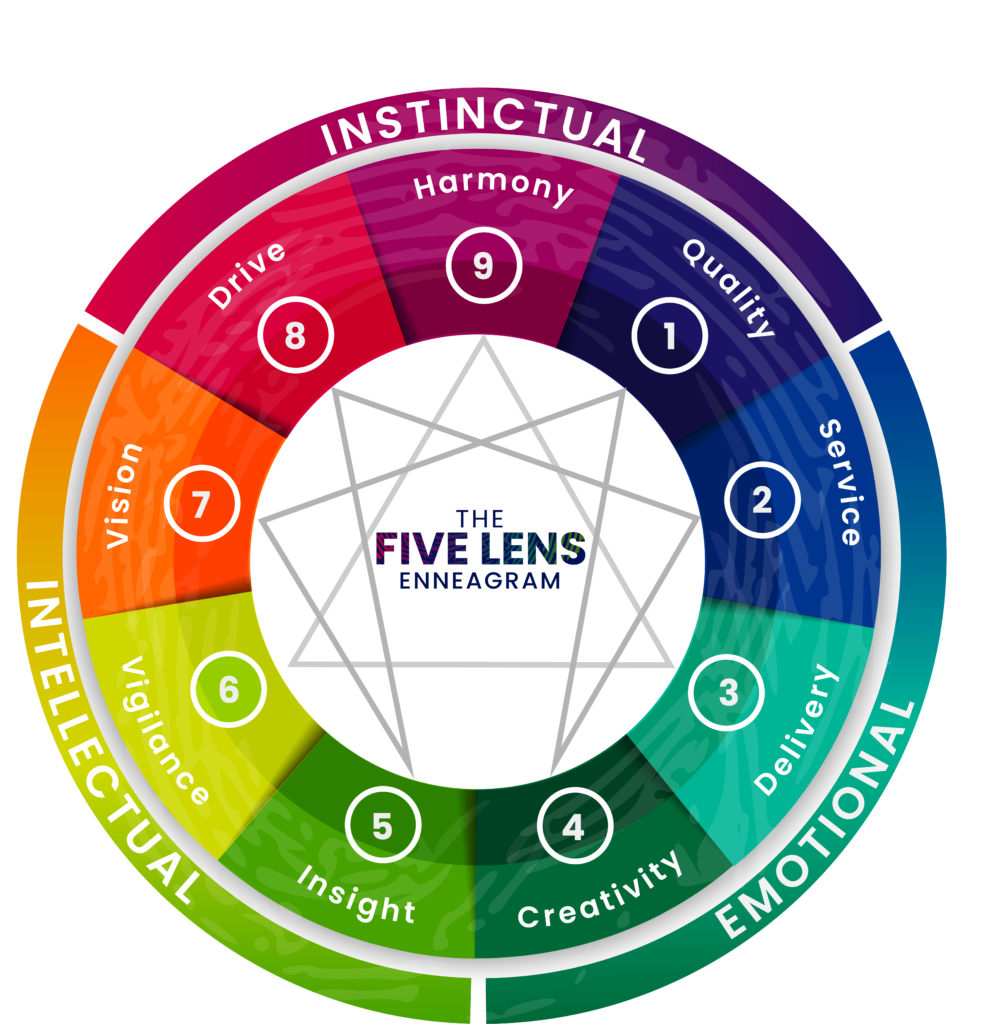
The Enneagram identifies nine core patterns in how people think, feel, and act. It’s more than a personality tool — it’s a behavioural map that lays the foundation for the transformative work we do through the Five Lens model.
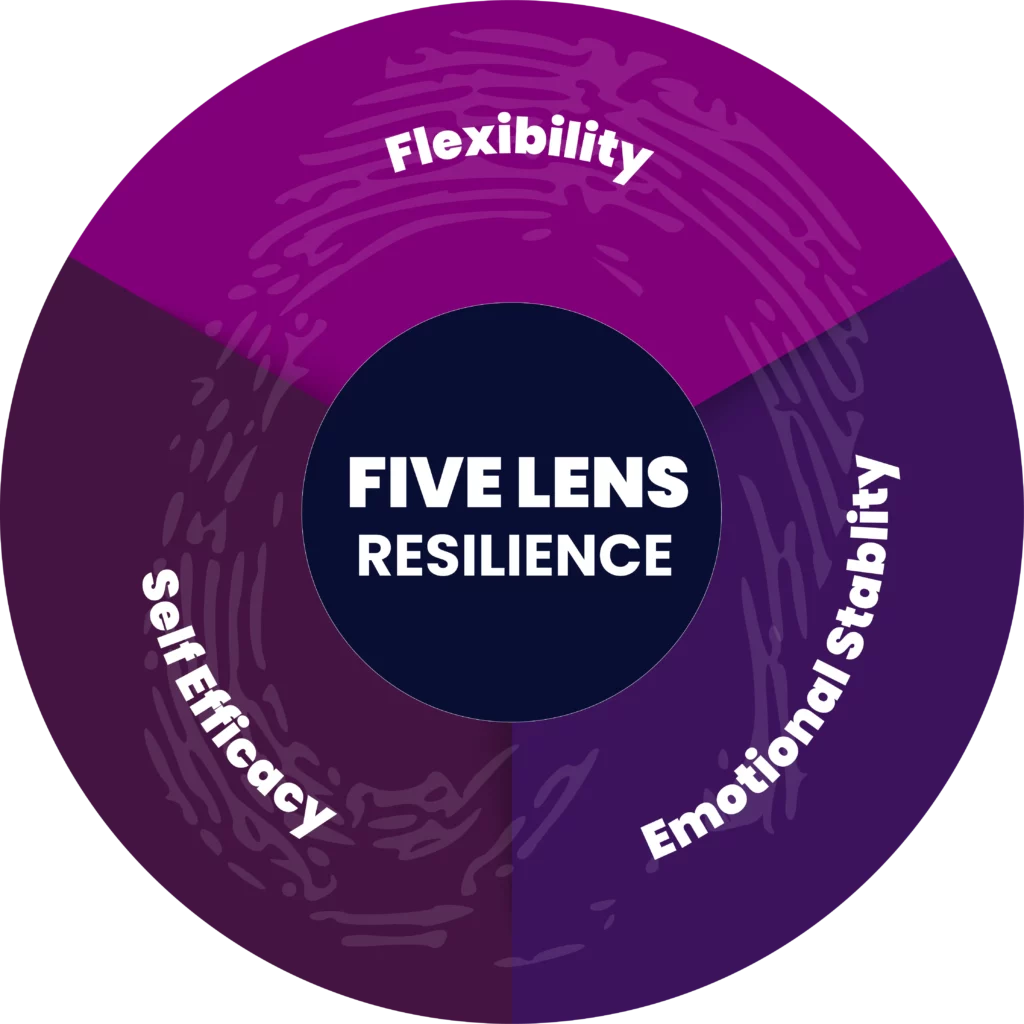
This lens evaluates how well individuals handle stress and adapt under pressure. It captures traits linked to flexibility, emotional regulation, and confidence in taking action — essential for maintaining effectiveness in challenging situations.
This lens evaluates how well individuals handle stress and adapt under pressure. It captures traits linked to flexibility, emotional regulation, and confidence in taking action — essential for maintaining effectiveness in challenging situations.
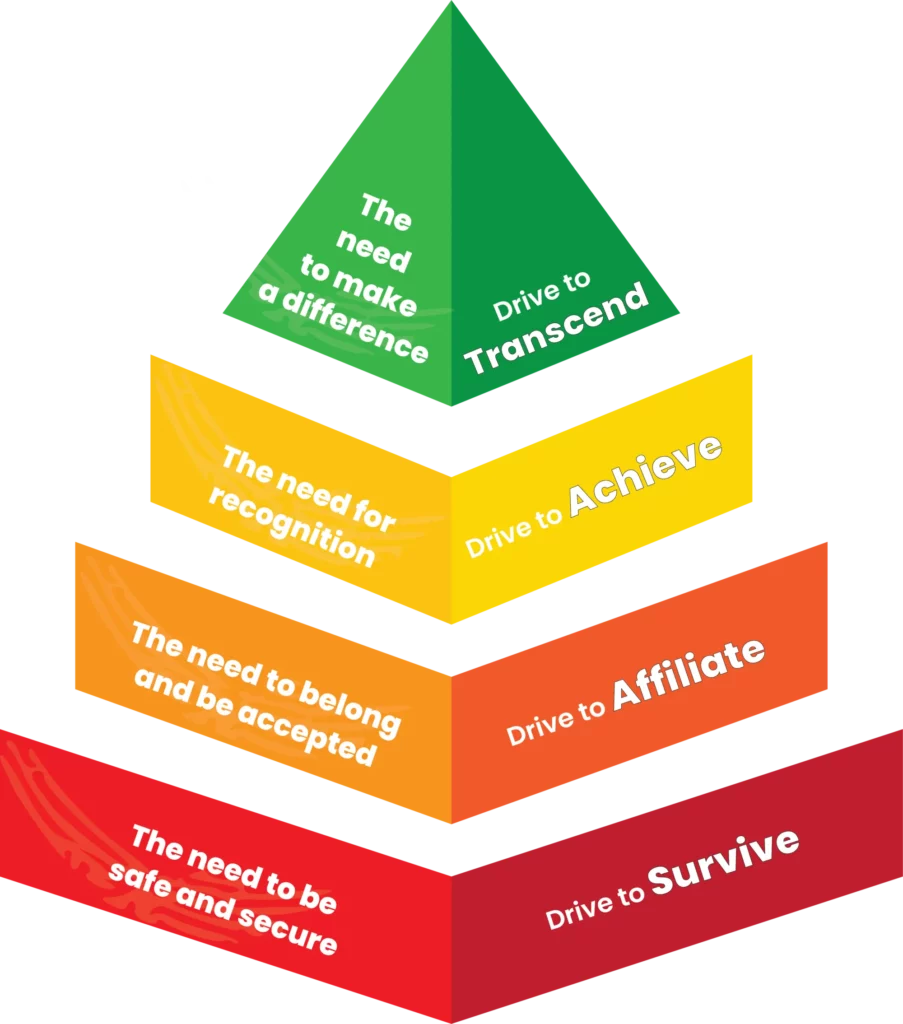
Grounded in Maslow and Barrett’s models, this lens reveals the motivational needs behind behaviour — from survival and belonging to achievement and legacy. It helps identify what drives or blocks personal and team performance.
This lens maps the use of head (thinking), heart (feeling), and gut (intuition) in decision-making. It shows which centres are dominant or underused, supporting more balanced, integrated ways of thinking and responding.
This lens maps the use of head (thinking), heart (feeling), and gut (intuition) in decision-making. It shows which centres are dominant or underused, supporting more balanced, integrated ways of thinking and responding.